

Girls School Shoes That Work From Bell to Home
A school shoe has a surprisingly busy job. It needs to look right for the uniform at morning drop-off, stay comfortable through lessons and lunch, cope with the playground, and still be presentable when the day ends. The best girls' school shoes make that routine easier, giving children confidence to get on with their day and parents one less thing to worry about.
For most families, the right pair is not simply the smartest-looking shoe on the shelf. It is the pair that fits properly, suits the school’s rules, and can handle the way your child actually moves. That might mean a classic Mary Jane for a younger pupil, a sturdy lace-up for a growing secondary-school student, or a touch-tape shoe that makes rushed mornings more manageable.
What Makes Good Girls School Shoes?
Smart black shoes are usually the starting point, but durability and comfort are what matter after the first few weeks of term. Children spend long hours in their footwear, often switching between classroom floors, playground tarmac, fields and after-school activities without changing shoes. A hardwearing upper, a secure sole and a comfortable lining all earn their place.
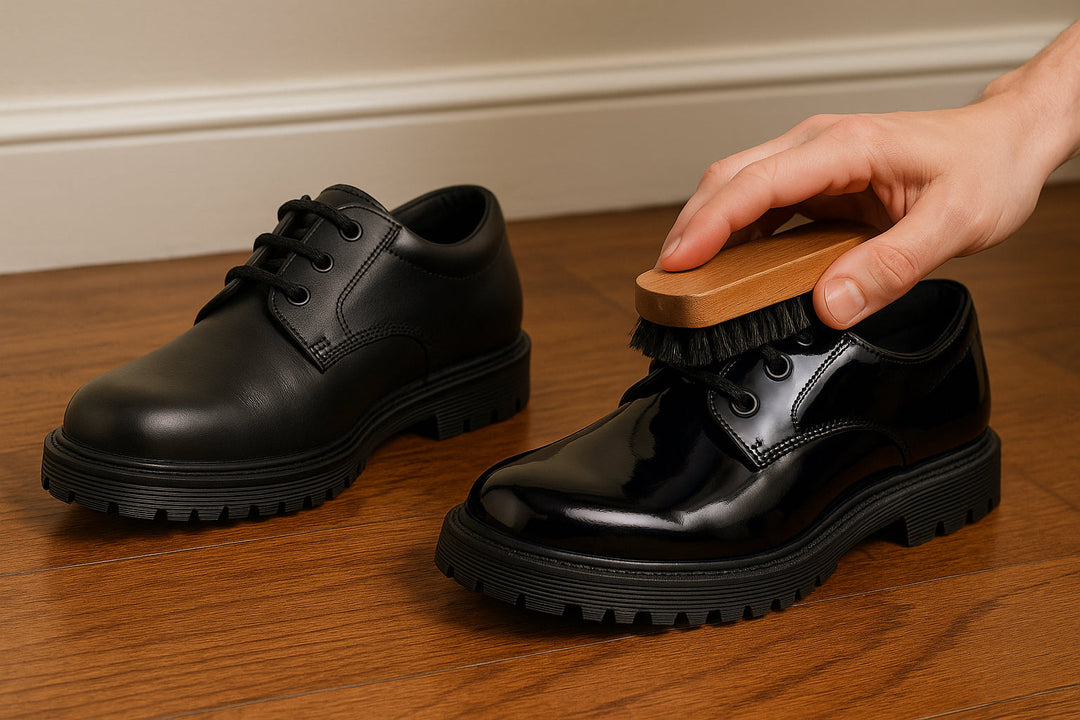
Leather remains a practical choice for everyday school wear. It is supportive, can soften with wear, and is easier to keep looking tidy than many lightweight materials. A quick wipe after a muddy walk home and regular polishing can make a real difference to how long leather shoes stay smart. Patent finishes can also work well for children who prefer a little shine, although they may show scuffs more readily on particularly active days.
The sole should have enough grip for wet pavements and playgrounds without being overly heavy. Deep, chunky soles can feel reassuring, but a shoe still needs to flex naturally at the front as your child walks. Stiff shoes that fight every step are unlikely to become more comfortable just because they look substantial.
Fit Comes Before Size on the Label
Children’s feet change quickly, particularly during growth spurts. That is why trying shoes on properly matters more than relying on the size bought last term. There should be room at the front for toes to move and grow, but not so much that the foot slides forward with each step.
Check the fit with the school socks or tights your child will normally wear. Ask them to walk, stand, crouch and climb a few steps if possible. A shoe can feel fine while sitting down but rub at the heel once it is in motion. Watch for gaping at the sides, heels lifting excessively, or toes pressing against the front.
A useful fit check includes four simple points:
- The heel sits securely without pinching or slipping.
- Toes have a little growing room at the front.
- The fastening holds the foot in place across the instep.
- The shoe bends where the foot bends, near the ball of the foot.
Choosing the Right Girls School Shoe Style
The best style depends on age, independence, uniform policy and how hard the shoes will be used. A child who wants to manage their own footwear before PE may need something different from an older student who prefers a more formal lace-up.
Mary Janes for Everyday School Wear
Mary Jane shoes are a familiar choice for infant and primary-school children. Their strap provides a secure feel, and touch-tape versions are especially helpful for children still learning to fasten their own shoes. They also tend to suit a wide range of uniforms, from pinafores and skirts to trousers.
Look for a strap that adjusts properly rather than sitting too loosely across the foot. A secure fastening helps limit heel movement, which can reduce rubbing during the first busy weeks of term. For children who wear shoes hard at the toe, a reinforced toe area is a sensible detail rather than an unnecessary extra.
Lace-Ups and Brogues for Older Pupils
Lace-up shoes and brogues offer a more structured, grown-up look that often suits secondary-school uniform requirements. Laces let the shoe be adjusted closely around the foot, which can be useful for narrow feet or children who prefer a firmer fit.
The trade-off is time. Laces take longer to put on and need to be tied securely, so they may not be the best option for every younger child. For older pupils, however, a well-made leather lace-up can be a reliable choice for long days, walking to school and changing classrooms.
Slip-Ons and Touch-Tape Fastenings
Slip-ons are quick and tidy, particularly where a school expects a simple, formal shoe. They can be a good option for children who dislike straps or laces, provided the fit is close enough to keep the heel secure. If a slip-on is too loose, the foot may grip inside the shoe to stop it coming off, causing discomfort over time.
Touch-tape fastenings sit between the two options. They are quick for children to use independently, adjustable as feet change, and practical for busy mornings. They also make it easier to open the shoe wide when putting it on, which can be helpful for wider feet.
Plan for Real School Days, Not Just September
A pair of shoes can look perfect in the fitting chair and still struggle once term gets going. Think about the route to school, playtime habits and the season ahead. A child who walks a mile each day needs a supportive, durable sole. A keen footballer may benefit from a shoe with extra toe protection. Someone who spends every break climbing, skipping and chasing friends needs shoes designed to take a few knocks.
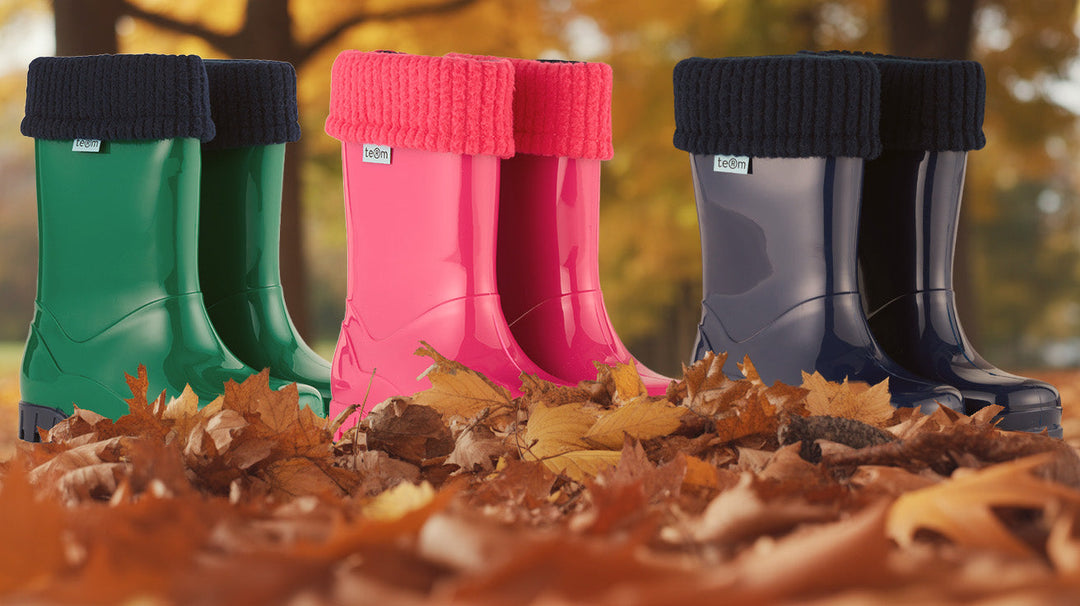
British weather adds another layer. School shoes are not wellies, and they should not be expected to replace them in deep puddles or muddy fields. On wet days, dry shoes overnight in a warm, airy place rather than directly on a radiator, as intense heat can dry out leather and affect its shape. Proper waterproof wellies are the better choice for woodland walks, outdoor learning and seriously soggy journeys.
It also helps to keep footwear in rotation where possible. A second pair for special occasions, indoor use or the occasional wet day gives everyday school shoes time to air out fully. This can help them stay fresher and last longer, especially during winter.
How to Help School Shoes Last the Term
Long-lasting shoes do not need complicated care, but a few small habits are worthwhile. Wipe off mud and dust before it settles into seams. Let damp shoes dry naturally, ideally with paper inside to help absorb moisture and maintain their shape. Apply a suitable polish or leather conditioner when the surface starts to look dry.
Check fastenings, soles and heel areas every few weeks. A loose strap or worn heel is easier to address early than after it has caused an awkward fit. Encourage children to undo fastenings rather than forcing their feet in and out of shoes, too. It is a small habit that protects the heel counter and helps shoes keep their shape.
At Term Footwear, the focus is on the details parents notice once school is in full swing: soft leather, sturdy construction, secure fastening choices and styles that meet the everyday demands of uniform. Value is not only about the price on the box. It is about getting a pair that remains comfortable, smart and dependable through the days that matter.
When Is It Time for a New Pair?
Scuffs alone do not always mean shoes need replacing. Children’s shoes are meant to be worn, and well-loved leather can often be cleaned and polished back to a smart finish. The clearer signs are a sole that has worn smooth, a split upper, broken fastening, persistent discomfort or toes that no longer have room to move.
If your child suddenly avoids wearing a pair they previously liked, do not assume they are being fussy. Check the fit first. Their feet may have grown, or a worn area inside the shoe may be rubbing. A comfortable pair supports better days at school, from the first register to the walk home.
Choose with the full school day in mind, allow for proper fit, and favour construction that can keep up. The right shoe should let your child focus on friends, lessons and play - not on their feet.